


Functional Medicine Causes of Infertility: 10 Hidden Root Causes of “Unexplained Infertility”
March 15, 2026
Functional Medicine Root Causes of Infertility
Infertility rates are on the rise…. and many are running to IVF (or being failed by IVF) for “unexplained infertility”.
The truth? Infertility is not unexplained…. its uninvestigated.
In functional medicine, we view fertility as a whole-body health signal, not just a reproductive issue. When the body senses that the environment is not optimal for pregnancy, it will often supress fertility.
I routinely see infertility driven by underlying metabolic dysfunction, inflammation, gut imbalances, chronic infections, toxin exposure, hormone signaling issues, or nutrient deficiencies, all of which can impair ovulation, implantation, egg quality, or sperm health.
Another important point many people miss:
Just because a couple has conceived before does not mean fertility challenges can’t develop later.
Secondary infertility is becoming increasingly common, and it’s often triggered by changes that occur after the first pregnancy such as:
• chronic stress and nervous system dysregulation
• gut dysfunction or microbiome imbalances
• tick-borne infections, mold exposure, or stealth infections
• metabolic dysfunction or blood sugar instability
• thyroid or hormone signaling changes
• toxin accumulation from environment, plastics, or endocrine disruptors
• nutrient depletion after pregnancy or years of high stress
When we zoom out and assess the entire system, we almost always uncover factors that are interfering with optimal fertility. That’s why in my practice, fertility investigations go far beyond basic hormone labs.

We look at things like:
• Metabolic health and blood sugar regulation
• Micronutrient status
• Thyroid function and hormone signaling
• Inflammation markers
• Gut microbiome and digestive health
• Toxin burden
• Chronic infections (including stealth pathogens)
• Sperm health and oxidative stress
Below are the most common root causes to investigate when evaluating infertility.
1. Blood Sugar Dysregulation & Insulin Resistance
One of the most overlooked causes of infertility.
Even mild insulin resistance can disrupt ovulation, hormone signaling, and implantation.
Mechanisms
Insulin resistance can:
- Increase ovarian androgen production
- Suppress ovulation
- Increase inflammation
- Reduce egg quality
- Increase miscarriage risk
In men it can:
- Reduce testosterone
- Increase oxidative stress in sperm
- Lower sperm motility and morphology
Labs to Evaluate
- Fasting glucose
- Fasting insulin
- HbA1c
- HOMA-IR
- Triglyceride/HDL ratio
Interventions
- Stabilize blood sugar with balanced meals
- Resistance training
- Inositol (for women with insulin resistance)
- Berberine or metformin alternatives
- High fiber diet (25–35g/day)
2. Gut Dysfunction & Microbiome Imbalances
Gut health strongly influences hormone metabolism, inflammation, immune tolerance, and nutrient absorption.
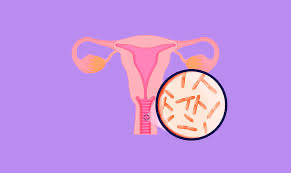
Key Issues
- Dysbiosis
- H. pylori
- SIBO
- Pathogenic bacteria
- Candida
- Low beneficial bacteria
Mechanisms
Gut dysfunction can:
- Increase systemic inflammation
- Impair estrogen detoxification (estrobolome)
- Reduce nutrient absorption (iron, zinc, folate, B12)
- Increase autoimmune activity
Testing
GI-MAP or similar stool testing to evaluate:
- Pathogens
- Dysbiosis
- H. pylori
- Secretory IgA
- Zonulin
- Beta-glucuronidase
Interventions
- Remove pathogens
- Restore beneficial bacteria
- Increase fiber and polyphenols
- Support gut barrier integrity
3. Chronic Infections
Chronic infections can impair fertility through inflammation, immune dysregulation, and mitochondrial damage.
Common Infectious Triggers
- Lyme disease & co-infections
- H. pylori
- Epstein-Barr virus
- Candida
- Mycoplasma/Ureaplasma
- Chronic UTIs
- Mold-related immune dysfunction
Given your own experience with Lyme and Bartonella, this is an especially relevant area for many patients.
Effects on Fertility
- Cytokine upregulation
- Reduced egg quality
- Sperm DNA damage
- Hormone disruption
4. Toxin & Mold Exposure
Environmental toxins are a major contributor to fertility challenges.
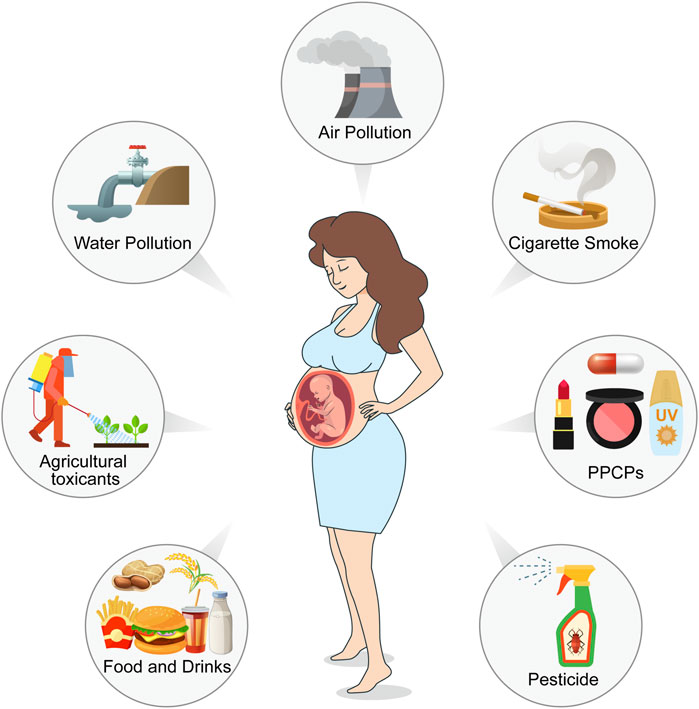
Key Fertility Disruptors
Endocrine disruptors can interfere with:
- Estrogen signaling
- Progesterone production
- Thyroid function
- Sperm production
Common toxins include:
Heavy metals
- Mercury
- Lead
- Cadmium
- Arsenic
Endocrine disruptors
- BPA
- Phthalates
- Pesticides
- Fragrances
- Plastics
Mycotoxins
- Ochratoxin
- Gliotoxin
- Trichothecenes
- Zearalenone
These toxins can impair:
- Egg quality
- Sperm DNA integrity
- Implantation
Testing
- Urine mycotoxin testing
- Environmental toxin panels
- Heavy metal testing
5. Micronutrient Deficiencies
Egg and sperm cells are extremely metabolically active and require high levels of nutrients.
Deficiencies are very common even in people eating a healthy diet.
Critical Fertility Nutrients
For egg quality
- Folate
- B12
- Iron
- Zinc
- Selenium
- Vitamin D
- Choline
- CoQ10
For sperm health
- Zinc
- Selenium
- Carnitine
- CoQ10
- Vitamin C
- Vitamin E
- Omega-3 fatty acids
Testing
A comprehensive micronutrient panel can identify intracellular deficiencies affecting fertility.
6. Thyroid Dysfunction
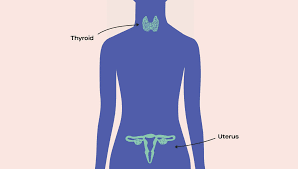
Thyroid health is one of the most important factors in fertility.
Even mild thyroid dysfunction can impair ovulation and increase miscarriage risk.
Important Markers
Evaluate more than TSH:
- TSH
- Free T3
- Free T4
- Reverse T3
- TPO antibodies
- Thyroglobulin antibodies
Ideal Fertility Ranges
- TSH: typically 1–2
- Adequate free T3 levels
- No autoimmune activity (prevents ovulation and implantation)
7. Chronic Inflammation & Immune Dysregulation
Low-grade inflammation can disrupt implantation and embryo development.
Causes of Inflammation
- Gut dysbiosis
- Chronic infections
- Toxin exposure
- Autoimmune activity
- Insulin resistance
Labs
- hs-CRP
- homocysteine
- cytokine markers
- ferritin (inflammatory elevation)
8. Mitochondrial Dysfunction
Egg and sperm cells rely heavily on mitochondria.
Poor mitochondrial function leads to:
- Reduced egg quality
- Reduced sperm motility
- Increased miscarriage risk
Causes
- Toxins
- Nutrient deficiencies
- Chronic infections
- Oxidative stress
- Medications
Key Nutrients
- CoQ10
- L-carnitine
- Magnesium
- B vitamins
- Alpha lipoic acid
9. Male Factor Infertility
Male infertility is commonly overlooked but hey- it takes 2 to tango!
Factors That Affect Sperm Health
- Oxidative stress
- Toxin exposure
- Infections
- Nutrient deficiencies
- Heat exposure
- Metabolic dysfunction
Testing
Semen analysis should evaluate:
- Count
- Motility
- Morphology
- DNA fragmentation
Key Interventions
- Antioxidant support
- Reduce toxin exposure
- Optimize testosterone and metabolic health
10. Stress & HPA Axis Dysfunction
Chronic stress can suppress reproductive hormones.
Mechanisms
Elevated cortisol can:
- Suppress GnRH
- Disrupt LH/FSH signaling
- Reduce progesterone
- Impair ovulation
Signs
- Luteal phase defects
- Irregular cycles
- Low progesterone
Testing
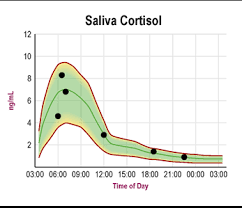
4-point cortisol testing can evaluate HPA axis function.
Additional Factors to Consider
Even if the couple previously conceived, fertility can change due to:
- Age-related decline in egg quality
- New toxin exposures
- Microbiome shifts
- Increased oxidative stress
- New infections or immune triggers
Want to work with me and get testing done? I’d love to help you with your fertility journey! Helping men and women optimize their health in order to concieve is such an honor, and helping them get pregnant is the biggest blessing and opportunity!
Learn how to work with me here (: Or follow me on instagram to learn more!

Table of Contents
Frequently Asked Questions About Infertility
What causes unexplained infertility?
Many cases of unexplained infertility are actually driven by underlying issues such as insulin resistance, gut dysfunction, chronic infections, toxin exposure, thyroid dysfunction, or micronutrient deficiencies.
Can gut health affect fertility?
Yes. Gut health influences inflammation, hormone metabolism, immune tolerance, and nutrient absorption, all of which impact fertility. I commonly see poor gut health impact and increase risk of miscarriages as well!
Can mold exposure cause infertility?
Certain mycotoxins can disrupt hormone signaling, damage mitochondria, and increase oxidative stress, which can impair egg and sperm quality. See my mold blog post here.
Can insulin resistance cause infertility?
Yes. Even mild insulin resistance can disrupt ovulation, increase inflammation, impair egg quality, and reduce sperm health. There is a connection here with “PCOS” and infertility as with classic androgen dominant PCOS, fertility is hindered by poor ovulation.

