
What Is Mold Toxicity & Why It Matters
Is there a potential you’ve been exposed to mold or living in it- now or in the past? I got you!🩷 Just call me the mold healing fairy godmother at this point😂
Diagnosed with POTs, adrenal fatigue, candida, PCOS, estrogen dominance, hashimoto’s, MS, MCAS (mast cell activation syndrome), fibromyalgia, anxiety, ADHD, chronic allergies, IBS, SIBO, or have chronic migraines, sinus issues, bloating, hair loss, or acne? 😭 It’s worth looking into your history, having a health professional like me dive into your full symptoms, and rule out mold toxicity 🥹
Quick Grab- Access my Mold Toxicity vs CIRS Symptom Checklist & Lab Guide Now!

Some common mold toxicity symptoms include-
1. Chronic fatigue and weakness
2. Headache, light sensitivity, chemical sensitivities
3. Poor memory, difficult word finding, brain fog
4. Acne, rashes, hives
5. Morning stiffness, joint pain, muscle aches
6. Unusual skin sensations, tingling and numbness
7. Shortness of breath, sinus congestion or chronic cough
8. Mood swings, hormone imbalances, body temperature regulation issues
9. Increased urinary frequency or increased thirst
10. Red eyes, blurred vision, eye floaters
11. Abdominal pain, diarrhea, bloating, chronic GI infections, constipation
12. Hair loss, hair thinning
13. Static shocks
14. Vertigo, feeling lightheaded
15. Weight loss resistance, rapid weight gain, rapid weight loss
16. Insomnia

Think you got a mold issue? Let’s dive deeper into how to find it, remediate it, test your body, and heal your body!
Common mold myths that we must first debunk include:
- “Mold is everywhere.” This is true. While mold is naturally found outdoors, toxic mold inside a home can be much more harmful. It’s not just the fact that it’s present either- it’s the type and amount and individual sensitivity that can make one person sick or not! Indoor mold grows in concentrated areas, frequently with active moisture but not all molds need moisture to grow!.
- “But mold can be cleaned up quickly”– Mold spores release mycotoxins that can be inhaled through your lungs or even your skin, potentially causing long-term health problems. Just killing active mold can leave the mycotoxins in your environment, keeping you sick. The mold spore is commonly the cause of allergy or respiratory issues, while the mycotoxins are in charge of downstream consequences like liver/kidney/brain damage, insomnia, chronic fatigue, frequent urination, hormone or immune issues, etc!
- “Only black mold is harmful.” Mold color doesn’t determine its toxicity. Any type of indoor mold can be dangerous, depending on its quantity and the person’s genetic predisposition.Those with an HLA gene are more susceptible to issues with mold and can be a “canary in a gold mine” to find, smell, or have health issues with even smaller amounts of exposure- more in the rest of this blog below! Black mold (Stachybotrys) in my opinion is the worst of them all, but high levels of Aspergillus or Cladosporium can also be very harmful!
- “My house is too new for mold to be an issue.” Mold can grow in any building, regardless of age, if water damage is present. Newer homes sadly increase chances due to tight builds, poor HVAC systems in relation to building, & poor construction management. Some homes are built using wet wood – hello mold fuel!
- “It’s just a little mold.” Even a small amount of mold can release millions of spores and mycotoxins daily. This can be a serious health hazard for those sensitive to it.
- “My home inspection should have found it.” Regular home inspections are not mold inspections. Only a certified mold inspector can accurately assess the presence of mold. It could be behind a wall, in the drywall, behind a shower, or in the attic!
- “We live in a dry climate.” Water damage can occur in any environment, and dry climates can still lead to cracks and leaks that allow mold to thrive. As previously stated, some molds also do not need a lot of moisture to grow! Humid climates have a higher chance of mold growth, but dry climates are not mold free.
Now let’s chat how to identify the source of mold potentially- the right way!
# 1. Identify and Address the Source of Mold
The first step in overcoming mold toxicity is to locate and eliminate the source! Mold can hide in HVAC systems, behind walls, under sinks, in attics, and in basements. The Change the Air Foundation, a leading organization dedicated to mold awareness and air quality, offers excellent resources on finding and addressing indoor mold problems. Check their website out for some incredible guides on finding an inspector, cleaning or remediating your home, or deciding what to keep or throw away after remediation! Some signs of potential mold growth include: active visible mold (this includes mold constantly growing in shower grout), wood staining, paint peeling or cracking, wood bubbling, rust or efflorescence, bucking or separating of baseboards, and any musty/mildew/earthy smells. Remember though- you do not have to visibly see mold for there to be growth. It can hide behind walls, shower tiles, or in crawlspaces or attics.
Photo sourced from Change the Air Foundation-https://changetheairfoundation.org/mold-water-damage/step-1/

How to Find a Trusted Mold Inspector
Mold inspection is more than just a quick look around with a flashlight. It requires knowledge, expertise, and the right tools. Here’s what to consider when hiring a mold inspector:
- Certification is Key. Look for a certified inspector listed on reputable websites like ACAC.org or ISEAI.org. Avoid inspectors who only show up with a flashlight, as mold is often hidden and may not have an obvious smell. Invest in the someone.
- Thorough Inspection Methods. Skip the DIY plate methods. A good inspector will use a variety of tools, such as thermography, moisture readings, and air sampling (recognized by the EPA). They may even want to tear down walls or baseboards.
A tripod in the middle of the room is insufficient. ERMI (dust sampling) may be useful but has limitations and may not identify the exact source of the problem. I suggest an ERMI with professional air mycotoxin sampling or you can start with an EMMA test which looks at both mold spores and mycotoxins. Certain types of mold can be hard to catch on an ERMI or normal spore based air sample as they do not like to compete with additional mold spores. Doing a mycotoxin sample too can help to catch this. Stachybotrys (black mold) is a common mold that can do this and go undetectable by an ERMI sometimes. Many clinicians feel divided on ERMI and EMMA tests- however I find them very useful in my practice. Do not let them also just use outdoor samples as a reference. Outdoor mold can change on a minute by minute basis and change based on where you live, water access, or wind drafts. Claiming “there is not mold in your home because the outdoor mold is higher than the indoor mold” is incorrect. I will die on that hill.
ERMI tests you can buy here-
https://www.envirobiomics.com/product/ermi
Two ERMI reports compared:

- Knowledge of Small Particulate Cleaning. After remediation, the inspector should understand the importance of cleaning up “dead mold,” which can still be harmful. This includes the mycotoxins we discussed earlier!! More on this later and how you can get started on it to reduce your exposure NOW and mycotoxin levels in your home! I recommend EC3 for small particle cleaning! https://microbalancehealthproducts.com/?rfsn=8569440.7e4463

- Root Cause Investigation. Mold growth is often caused by issues like poor ventilation, plumbing leaks, or appliance failure. A good inspector will help identify and address the underlying cause, so the problem doesn’t recur. Environmental engineers can be extremely helpful in this case. DO NOT let them just come in and “spray” or “fog”. Just like any health issue, we want to address the root cause. Using anti mold foggers or sprays without knowing the cause is like using birth control to “fix” your hormone problems. Don’t do that.
- Clearance Testing. Once remediation is complete, a reputable inspector will conduct tests to ensure that mold levels are within safe limits before declaring the job finished. Multiple tests may be necessary to verify that the home is safe. This will prove that they got levels down and that the home is safe to live in. Some CIRS doctors suggest an ERMI to be at specific levels. My goal is questioning though the levels of certain mold spores and mycotoxins. Many with mold toxicity can and will feel a difference once remediation is done, but some with MCAS (mast cell activation syndrome) or CIRS (chronic inflammatory response syndrome), will need additional help and steps to get their health back after exposure.
6. Adherence to Industry Standards. Ask if the inspector follows IICRC S520 standards for mold remediation. They should be able to explain their process and safety measures clearly. A mold inspector typically SHOULD NOT also do remediation. This is a red flag and in some states, illegal. FInd an inspector, then remediator.
(for more information please see Change the Air foundation here- https://changetheairfoundation.org/mold-water-damage/step-1/ )
By ensuring your home or workplace is mold-free, you remove a major source of exposure and allow your body to begin healing. THERE WILL ALWAYS BE SOME MOLD EVERYWHERE. Remember that. The goal is to reduce the exposure and source where you live. You may be re-exposed later in hotels, Air BnBs, churches, grocery stores, or friends/family homes. Focus on what is in your control and believe in your body’s innate ability to heal. There are things you can do to help heal your body with re-exposures!
1- Part 2- Testing Your Body For Mold- Urine, Blood, or Antibody Testing?
My favorite way to see if you have mold in your body and question the level of toxicity is to use a Mycotoxin urine test. My favorite brands are Vibrant America, Mosaic, and Real Time Labs. This does not tell you WHERE or WHEN you were exposed, but can tell you if mycotoxins in your body could be causing a potential issue. This is because mycotoxins are excreted via your urine. However, mycotoxins can also be stored and held in fat tissue, and if you have poor detoxification, it can be hard to eliminate the mycotoxins and see them on your urine tests. This is why it’s important to have a clinician like me read your results with you and base your treatment based also on your history and symptoms, not just mycotoxin levels!! Many times I’ve seen mycotoxin levels increase upon retesting after treatment, meaning the body is now clearing out mycotoxins better and detoxing them. This can be a good sign! (Or a sign of re-exposure). Urine tests tell us IF mycotoxins are present. They could be from your home, your CPAP machine, or breast implants. Either way, it gives us clinical data we can use.
See an example of a client’s first mycotoxin test, lower levels, to her second mycotoxin test, higher levels here. She feel 100x better with MCAS under better control with the higher levels- indicating she was now getting them out and healing!!!
Test 1

Test 2

Mycotoxins can be found in food- including grains, peanut butter, coffees, nuts, and so therefore you should reduce these foods prior to testing to reduce potential false elevations on your results.
Dr. Ritchie Shoemaker utilizes urine tests and his “CIRS blood labs” to identify mold toxicity and CIRS (chronic inflammatory response syndrome). My thoughts are that the CIRS blood markers are NOT specific to mold toxicity and can be confounded with other inflammatory disease or chronic conditions such as autoimmune disease or Lyme/viral infections. The biomarker tests recommended by Shoemaker to screen for or rule-in mold illness/CIRS are transforming growth factor beta-1 (TGF beta-1), C4a, matrix metallopeptidase 9 (MMP-9), leptin, vascular endothelial growth factor (VEGF), anti-gliadin antibodies (AGA), melanocyte-stimulating hormone (MSH), anti-diuretic hormone (ADH), adrenocorticotropic hormone (ACTH), plasminogen activator inhibitor-1 (PAI-1), anti-cardiolipin antibodies (ACA), Von Willebrand factor, and vasoactive intestinal peptide (VIP). Again- I recommend urine based testing and environmental testing. CIRS markers can be helpful as well the the VCS visual test he recommends, but I don’t use either in practice.
Another leader in mold testing is Dr. Andrew Campbell. Both Dr. Shoemaker and Dr. Campbell don’t agree with each other, as Dr. Campbell does not believe in urine based testing and instead relies on IGG and IGE blood tests. I won’t confuse you. These blood tests can be helpful, but from my research antibodies are not as clinically relevant. IGE antibodies will only go up with an allergy, and IGG antibodies do not correlate well with severity of mold exposure or disease state. IGG antibodies are developed with chronic or repeat exposure typically, and a reason why we don’t use IGG antibodies for food sensitivity testing. Because of lack of accuracy, I don’t currently use these in my practice. Sometimes IGG’s don’t elevate with mold toxicity- and this can mean a missed diagnosis.
Here was my last mycotoxin urine test. YIKES is the response to this!!
Supporting Your Body During Mold Recovery

2. Use Binders to Help Detoxify
Once mold exposure is addressed, supporting your body’s detox pathways is essential. You can also do things living in mold to prevent further damage to your body and protect your organs, mitochondria, and cell membranes!Dr. Jill Crista, a leading expert in mold-related illnesses, emphasizes the importance of binders—substances that help capture and eliminate mycotoxins from the body. Alongside Jill, I believe in the power of binder therapy! Some binders have a different affinity for different mycotoxins (meaning some binders do better for specific mold types!). I individualize both binder choices and treatment protocols for my clients. Below are some of my favorites!


Some effective binders include:
– Activated Charcoal – Helps bind a broad range of toxins, particularly in the gut. Best taken away from food and medications.
– Cholestyramine & Welchol – Prescription bile acid sequestrants that bind mycotoxins and facilitate their removal through stool.
– Bentonite & Zeolite Clay – Natural clays that absorb toxins and support gut health.
– Pectin (Citrus or Apple-based) – A gentle binder that helps with detoxification while also nourishing gut bacteria.
– Chitosan – A shellfish-derived binder that can support mold toxin removal, particularly for those with fat-soluble toxins.
-S boulardii- A yeast based probiotic that can bind to mycotoxins, increase Secretory IGA levels and help support leaky gut, and help with diarrhea, remove H pylori, Candida, parasites, and support the immune system.
-Megaspore- A spore based probiotic that can bind to mycotoxins in the gut as well as support the immune system, help balance your gut microbiome, and reduce inflammation in the gut.
-Colostrum or IGG immunoglobulins- Support the gut lining and immune system by boosting Secretory IGA levels, binding to toxins in the gut, and clearing unwanted bacteria in the gut.
-Fulvic/humic acids (I love Cell Core Biotoxin Binder- Bind to a variety of toxins in the gut, reduces inflammation, supports a healthy gut
Other binders include: zeolite, chlorella, NAC, fiber blends)

Some of the mold binder combinations and products I love most include GI detox, Ultra binder by Quicksilver, Takesumi supreme, and zeolite. Binders can make things worse if your detox and drainage pathways are not open first though! Ensuring adequate fiber intake and hydration status is huge to prevent reabsorption of toxins, with a healthy bowel movement every day!
To purchase my favorite binders at a discount you can use these links:

Cell core code: md9jyD4M
Fullscript with additional binders and products I love- you can search for any product to get 20% off MSRP here- https://us.fullscript.com/plans/upliftfitnutrition-challenge-supplement-access
3. Support Drainage Pathways
Detoxing & draining are naturally occurring events that your body does on its own. Using your organs such as your kidneys, liver, lungs, skin, and digestive system, your body detoxes itself, removing harmful toxins, microbes, excess cholesterol, and hormones! However, many people nowadays suffer with optimal drainage & detox!
Due to nutrient deficiencies, chronic stress, viruses (hello COVID), medication use, gut dysbiosis or pathogens, poor diet, environmental toxins, or sub optimal organ function, the body can need help to do it’s job! That’s where I come in now- giving you the tools, education, & methods to enhance detox & drainage pathways in a healthy way!
For a full run down on how to support this- you can purchase my detox and drainage guide! https://upliftfitnutrition.kit.com/products/detox-drainage-guide

Effective detoxification requires open drainage AND detox pathways. If the body cannot efficiently eliminate toxins, symptoms can worsen and toxins can recirculate and make you feel worse.
As a quick run down, to optimize detox, focus on:
– Lymphatic movement– Dry brushing, rebounding, or lymphatic massage can help move stagnant toxins. Walking itself helps to stimulate lymph but adding extra tools help! I love doing facial lymphatic massage for this too.
– Liver and gallbladder support – Bitters, dandelion tea, tudca, taurine, and milk thistle promote bile flow, which is essential for detox. Think of bile like detergent with your clothes- help to cleanse the toxins out of your GI tract for elimination. Mold can reduce bile flow, so it is essential to support bile in some way if you suspect mold issues! Castor oil packs on your liver can also aid in this. My favorite can be purchased here- https://affiliatestore.shopqueenofthethrones.com/LACEYDUNN
Some foods to focus on for bile help include: beets, digestive bitters, bitter greens, eggs, radishes, ginger, turmeric, celery, artichoke, ACV, garlic, onions, and healthy fats like olive oil, avocado, nuts, and seeds.
–Sweating – Infrared sauna or a general sauna, exercise, and hot baths with Epsom salts can help release toxins through the skin. Your skin is your largest detox organ and sweating is a great way to help get all types of toxins out! Make sure to hydrate after as you lose electrolytes with sweating or sauna work. I add an extra 1g sodium and 300-500mg potassium on my sauna days or days I sweat a lot. I like to suggest 3-4x a week for 10-15 min in the sauna maximum.
–Hydration – Clean, filtered water with electrolytes supports kidney function and toxin removal. You are 90% water and basically a human cucumber- so drink UP! You can not detoxify without enough water. Your kidneys do a ton to detoxify and if you are dehydrated, you will hinder its ability to function optimally.
–Mitochondrial support – Your mitochondria are the powerhouse of the cell. Inflammation, poor diet, nutrient deficiencies, lack of sleep, stress, and toxins, including mold, can damage the cell membranes and mitochondria, reducing their function. The mitochondria help you not only make energy through ATP but also influence your body’s ability to fight oxidative stress. Damages to the cell membranes or mitochondria can lead to chronic disease, chronic fatigue, hormonal imbalances, autoimmune disease, dementia, and more! You can try the following to help support your mitochondria: sun light therapy, red light therapy, intermittent fasting, exercise, deep breathing, cold shower or cold therapy, sauna therapy, and grounding.
Some mitochondrial support supplements include: Mitocore by Orthomolecular (my favorite as a multivitamin), CoQ10, PQQ, NAD+ and precursors, ALA, magnesium, B vitamins, D Ribose, L carnitine, Resveratrol, Glutathione or NAC, creatine, curcumin, Vitamin C, with always, a healthy anti-inflammatory diet. Reducing toxins in your environment and EMF exposure can help support your mitochondria as well.
-Cell membrane support: Mold toxins don’t just impact your mitochondria and immune system — they also damage the cell membranes that protect and regulate every cell in your body. These membranes are made of phospholipids and fatty acids that control nutrient exchange, detox signaling, and cellular communication. When they’re inflamed or oxidized by mycotoxins, you may experience fatigue, brain fog, poor detox capacity, or even worsening chemical sensitivity. Supporting them can really help reduce the damages that mold & mycotoxins can have on your body! Key support incldues phosphatidyl choline, Omega 3’s and essential fatty acids, antioxidants like glutathione/NAC, ALA, and resveratrol that help to combat oxidative stress, and continued toxin exposure.
-Histamine support- Mold exposure can lead to MCAS (see my full MCAS article here) or can just lead to histamine intolerance or histamine overload. This is because mold exposure can directly activate mast cells (think of them like Pac man and supportive of the immune system), which can create a histamine driven and inflammatory storm.
MCAS vs. Histamine Intolerance
While they share symptoms, MCAS involves overactive mast cells releasing too much histamine (and other compounds like prostaglandins and leukotrienes), whereas histamine intolerance happens when the body can’t effectively break histamine down due to low DAO (diamine oxidase) or HNMT enzyme function — often worsened by gut inflammation, nutrient depletion, and liver overload from mold toxins.
In short:
- MCAS = overproduction of histamine
- Histamine intolerance = poor clearance of histamine
Common Mold-Related Histamine Symptoms
- Flushing, itching, hives, or burning skin
- Nasal congestion or sinus headaches
- Dizziness or “woozy” feeling
- Fatigue or anxiety after eating fermented foods or leftovers
- Heart palpitations or shortness of breath
- Brain fog, insomnia, or temperature dysregulation
- GI distress (bloating, diarrhea, nausea, or acid reflux)
Mold exposure primes the immune system, making mast cells unstable, while also impairing the gut and liver enzymesthat clear histamine — a double hit that keeps people reactive and inflamed.
Strategies to support histamine and MAS include (see article too):
- Stabilize Mast Cells:
Nutrients like vitamin C, quercetin, and luteolin calm mast cell reactivity. DAO enzyme support and natural antihistamines (such as stinging nettle or perilla extract) can be helpful short-term for symptom relief.
Supplements: Quercetin 500–1000 mg/day, Vitamin C 1–3 g/day, Luteolin, DAO enzymes before high-histamine meals. Key to rememeber- we can stabilize mast cells, block histamine, AND increase histamine breakdown. https://upliftfitnutrition.com/mast-cell-activation-syndrome-mcas-root-causes-treatment/ – example- DAO helps degrade histamine, quercetin and luteolin can stabilize, and histamine blockers like zyrtec or pepcid can block it. - Reduce Histamine Load:
Limit aged, fermented, and leftover foods during the acute healing phase — examples include vinegars, smoked meats, cheese, wine, kombucha, and bone broth. Gradually reintroduce as tolerance improves. - Heal the Gut:
Strengthen gut barrier integrity with nutrients like zinc carnosine, L-glutamine, and colostrum to reduce histamine absorption and restore DAO activity. A healthy microbiome naturally balances histamine metabolism. In mold, many also have GI infections that further worsen histamine burden (example Klebsiella and H pylori are histamine producers), and “leaky gut” can worsen the histamine respone & reactions. - Support the Liver and Detox Pathways:
Use gentle binders (charcoal, chlorella, zeolite) and ensure micronutrient adequacy to help break down histamine and other inflammatory compounds. Key nutrients required include B6, copper, vitamin C, magnesium, B vitamins, Sam E, Zinc. If deficient, histamine intolerance or MCAS can be a problem or worsened. - Calm the Nervous System:
Mold often keeps the body in “fight-or-flight.” Nervous system support through deep breathing, limbic retraining, or vagus nerve exercises can stabilize mast cell activity over time. See more below!
4. Rebuild Gut Health & Immune Function
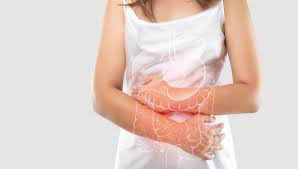
Mold toxicity often disrupts the gut microbiome and weakens immune function- causing leaky gut (intestinal permeability), Candida or yeast overgrowth, dysbiosis, SIBO (small intestinal bacterial overgrowth), and more! It can be a root cause as well as to why your chronic bloating or GI issues or pathogens/overgrowths do not go away or heal.
Sometimes to support your gut in mold include:
– Probiotics & prebiotics –focus on getting a wide variety or prebiotic rich foods to feed your beneficial bacteria and aim to consume probiotic rich foods. I suggest avoiding fermented foods if living in active mold or if you have yeast based issues. My favorite probiotics for mold issues include Megaspore and S boulardii! Histamine degrading probiotics can be very helpful for those with histamine issues as well.
– Gut-healing foods – Bone broth, collagen, aloe vera, and L-glutamine support intestinal repair. The goal here is focusing on reducing things that cause inflammation in the gut- processed foods with preservatives, food dyes, added sugars, and gluten for many with mold issues. Some “processed foods” are healthy and can consumed- it depends on what they are made out of! For example, you can try and pry my Lesser Evil popcorn out of mold dead hands but I will continue to eat that in mold myself… hehe
-Food based binders- Okra, flax/chia/hemp/basil seeds, oat bran or oats, rice bran, psyllium husk
-Supplements – There is a ton you can do here that I always customize for my clients. Examples include probiotics, colostrum or immunoglubins, bile/liver support, herbal antimicrobials like oregano/berberine/garlic/caprylic acid/sweet worm wood, GI lining support such as zinc carnosine/DGL/slippery elm, or fibers such as PHGG, acaia gum, okra fiber or oat fiber.
– Low-mold diet –I suggest ensuring to follow what I call is an “adapted low mold die”t- and this changes for every client based on total symptoms and mycotoxin load. Overall, focus on reducing all added sugars (including natural like honey), processed foods, aged cheeses, dried fruits, peanuts or peanut butter, moldy coffee (choose low mycotoxin brands), alcohol, and yeast containing foods.
-Check your micronutrient status – Mold toxicity can cause major GI issues and nutrient depletions due to stress and over utilization of your nutrients that support inflammation, detoxification, or fight oxidative stress. If you are missing a micronutrient that you need to have an optimal immune system and use or make energy, you can continue to struggle and not get well! COmmon deficiencies I see with mold toxicity include Vitamins A, D,E,C, B’s (all of them!), zinc, copper, glutathione, selenium, iron, and magnesium. TEST DON’T GUESS. I always pull a full micronutrient panel for clients if they let me!
With mold toxicity I generally recommend being gluten and wheat free, staying away from the gluten free alternatives that have yeast or added preservatives, and following close to a whole 30 adapted diet. Some people can do grains, while others I recommend avoiding or reducing. Focus on color, antioxidants, polyphenols, and eating the abundant rainbow in your diet. ADD vs subtract!! Other clinicians disagree with me but I allow all fruit and vegetables that are tolerated. The goal is diversity and health, not restriction, deficiencies, and sadness. I will stand up for that!
5. Reduce Ongoing Mold Exposure
Even after remediation, small amounts of mold exposure can still trigger symptoms. Do not lose heart! Focus on what is in YOUR control!
To maintain a healthy environment and reduce your chances of mold coming back:
– Use air purifiers – HEPA filters and activated carbon filters help remove mold spores and mycotoxins. I love the Air Doctor– but what you want is a ultra HEPA air filter. This is a great article discussing potentials you can buy! Make sure to have one that covers the full square footage of your home. https://survivingtoxicmold.com/air_purifiers

– Control humidity – Keep indoor humidity below 55% using dehumidifiers and proper ventilation. I like to open up my windows when the humidity outside is low and it’s a comfortable temperature. If the temperature outside is the same as inside, your AC unit most likely is not running and pulling moisture out of the air as well, so I would still kick down the AC a bit to help further reduce the humidity and keep dehumidifiers going! Make sure to clean them frequently to reduce and mold growth too on them.
– Choose mold-resistant materials – When renovating or furnishing, opt for mold-resistant drywall, paints, and natural fibers that don’t trap moisture.
-Use anti mold cleaning sprays or wipes to remove any potential mycotoxins in your environment. You can use one of my favorite companies, EC3, here –https://microbalancehealthproducts.com/?rfsn=8569440.7e4463
Another brand I like for fogging and cleaning includes: https://biobalancenow.com/affiliate-home/
For professional cleaning you can DIY (though this is case by case specific)- I recommend using the Biobalance foggers or Superstratum cleaners and fog bombs. https://superstratum.shop/
Decon30 is also amazing at killing mold! https://benefect.com/ca/products/decon-30/
6. Retraining Your Nervous System
Mold toxicity doesn’t just impact how you feel now, but can also impact how you feel in the future. The body keeps the score, and it can hold on to trauma, negative emotions, and remember threats, and for some, this can create a poor and “fake” reaction to almost any and every trigger. Digging into the polyvagal theory and nervous system regulation can help you with this!
-Sometimes with mold toxicity the body goes on hyper alert and becomes hypervigilant, stuck in sympathetic, flight or fight mode. Symptoms include: anger, racing heart, anxiety, irritation, frustration, panic, fear, desire for movement or to “run” from the threat. Others can go or swing back and forth into a dorsal vagal shut down, causing symptoms of: dissociation, numbness, depression, sadness, shame, isolation, shut down, helplessness, lack of desire for any movement or socialization. This in my personal opinion is one of the hardest parts of healing, as it makes you want to isolate from your loved ones and prevents you from enjoying the live you deserve to live.

Some info here- https://www.instagram.com/p/C6Ccha6JlZC/?img_index=5
-Luckily there are incredible programs out there that can help with nervous system retraining! I am the biggest fan of Primal Trust for my clients- which not only dives into how, but why! https://cathleenking.simplero.com/products/143239-Monthly-Membership-PRIMAL-TRUST-Academy?ref=49264-Lacey-Dunn
-You can also help calm your nervous system through parasympathetic work including- – Alpha wave therapy music, tapping, Meditation, yoga, walks, heartmath, journaling, binaural beats, grounding in nature, dancing, deep belly breathing, acupuncture, reading- we need you in a parasympathetic mood to help support healthy hormones & digestion! Emotion code possible – my favorites are tapping, nature time, and deep breathing! I also plan 20 min for bible time at night and then prayer. Plan your work in as a routine you can be consistent with AND look forward to!
-Vagus nerve stimulation can help put you into a parasympathetic state. Free ways to do this include humming, singing, deep breathing, physiological sigh, gargling. I have not tried these, but there are also devices you can buy such as Apollo Neuro band, Pulsetto, TruVaga, Sensate. If you try any, please share with me your experiences!
-Somatic practices can help with released stored trauma or emotions in your body and allowing you to reset your nervous system. I like this program: https://theworkoutwitch.com/
-Adaptogens can be a big part of helping to calm your nervous system during your healing process. Make sure to check your cortisol levels first if possible as some increase cortisol levels, and some decrease, while some nourish your adrenals. Some adaptogens to think of include: ashwagandha, rhodiola, reishi, magnolia bark, holy basil, licorice, skullcap, lemon balm, passionflower. With mold toxicity some people have a paradoxical reaction (an opposite response to a product with an intended effect), so just be careful and listen to your body! An example of this is sudden onset heart palpitations, dizziness, anger, or anxiousness with new adaptogens OR any supplements!

7. Random Other Suggestions
You could do everything under the sun but I’m going to just outline a couple things I also recommend if dealing with mold toxicity too here!
-Don’t neglect the sinuses. Chronic sinus issues can be from mold, but can also worsen overtime. Though MARCONs is debatable (resistant staph bacteria in the nose), I still suggest treating if suspected and if in mold using nasal sprays or rinses to reduce colonization of bacteria or yeast (including mold) in your sinuses. Without a prescription for a BEG spray which is used with MARCONs, you can use X clear nasal spray or colloidal silver nasal spray!
-Don’t become a victim to your circumstances or health issues. It’s easy too. But the more you focus on how bad you feel and isolate, the worse you will feel and the more you will let your struggle become your story. Your struggle will be beaten. Let this be a small page in a chapter of your book of life! While you’re healing and dealing with mold, focus on adding as much “inner child mode” fun, playful, enjoyment type of activities! Go bowling, play board games, get outside, go on a trip, or just plan some girl time. You deserve to live and live your life!
-Some people with mold toxicity develop MCAS (Mast Cell Activation Syndrome) or CIRS (Chronic inflammatory response syndrome)- these are both complex and healing and protocols are very extensive. I’m only mentioning these as well as histamine intolerance here. For more info on histamine intolerance or MCAS go here-
https://www.instagram.com/p/DCm4lDXp8SC/?igsh=YmV6dGM0amN3eDFu
https://www.instagram.com/p/C5hHYJYJdO-/?igsh=MWpsYm5mZ3Zwa2dl
For CIRS- https://www.survivingmold.com/resources-for-patients/diagnosis/the-biotoxin-pathway and
Mold Toxicity vs CIRS Symptom Checklist & Lab Guide

-Some with mold toxicity need more than antifungal herbals mentioned in the gut healing section. Some need prescription medications such as itraconazole, diflucan, or nystatin. This should be decided with your clinician!
-Mold toxicity for some can alter ADH levels, though this is more common in CIRS. ADH helps maintain blood pressure, blood volume, and body water levels by controlling the amount of water your kidneys reabsorb.
With low ADH, your body loses too much water in the urine, potentially resulting in excessive blood osmolarity, frequent urination, dehydration, low blood pressure, increased thirst, fatigue, mental confusion, muscle aches and pains, frequent migraines, and postural orthostatic tachycardia syndrome (POTS), whereby your blood pressure drops and heart races when standing. Increased static shocks can happen as well.
-Sleep issues and insomnia are common with mold toxicity due to its impact on cortisol- either causing high cortisol or if long term exposure or long term toxicity, low cortisol levels and adrenal fatigue. However in CIRS, the body can also suffers from low MSH production. MSH (melanocyte-stimulating hormone) is a group of hormones made by the pituitary gland, hypothalamus, and skin cells. Low MSH can cause: low melatonin (resulting in sleep problems), reduced endorphin production (can lead to chronic, and sometimes unusual, pain), malabsorption in the gut, which further weakens the immune system.

The End
Healing from mold toxicity is TOUGH and it’s a journey that requires a lot of mental, emotional, and physical stamina. Some days you may feel amazing, and others day like you got hit by a truck. I’ve been there. But it’s so worth it and don’t give up. My biggest piece of advice is to hire someone like me to hold your hand and support you the entire way!
By removing exposure, supporting detoxification, calming your nervous system, and addressing your gut/detox/drainage pathways- YOU WILL HEAL. As always, feel free to email me for any one on one support or guidance in your journey, or to get testing if you suspect mold issues!
-With love and prayers for health, Lacey Dunn, MS, RD, LD, CPT (fellow mold toxicity warrior and conqueror!)

